The General Manager is the loneliest job in the building
Jon Saunders 7 min read 2026-08-01
Ask one of your General Managers when they last had a proper conversation about themselves.
Not an appraisal. Not a numbers review. Not a quick catch up in the corridor that turned into a list of jobs. A conversation about them, where they are going, and what is hard at the moment.
Most will have to think about it. A few will laugh at the question.
That answer tells you more about why your managers plateau than any performance report will.
The structural loneliness of the role
I want to be clear that this is not about personality. It is not about someone being a bit of a loner or not putting themselves out there. It is built into the shape of the job.
Above them, everybody talks in strategy. Quarterly targets, brand standards, the new EPOS rollout, the estate plan. All necessary. None of it is a conversation about how they are finding it.
Below them, everybody brings problems: that is what a team does, and rightly so. But it means the GM is the terminal point for everything difficult in that building. The buck genuinely stops with them, at ten past nine on a Saturday when someone has not turned up and the boiler has packed in.
Beside them, there is nobody: this is the killer. The people they used to lean on are now the people they manage. You cannot moan to your assistant manager about your assistant manager. The moment they got promoted, their support network became their responsibility.
And the hours make it worse. Their peers in other sites are working the same shifts they are. When the GM in Cardiff finally has a quiet moment on a Tuesday afternoon, the GM in Bristol is doing a stock take.
So you end up with someone running a business with real revenue and forty people attached to it, who spends every day connecting other people to each other, and has almost nobody to connect with themselves.
Then we wonder why they go stale.
We call it a plateau. It is usually isolation
The language businesses use about long serving managers is worth listening to.
They have gone stale. They have found their level. They have taken their foot off. They are comfortable.
Every one of those phrases puts the cause inside the person. It is a character diagnosis, and it is almost always wrong.
What has actually happened, in most cases, is that somebody has spent four years solving problems alone. Not badly. Alone. And when you solve problems alone for long enough, you stop growing, because growth needs friction from somebody else's thinking. You cannot get a new idea from a room you are the only person in.
I have felt this myself. Running my own venues in Cardiff, there were stretches where I was making decisions worth real money with nobody to sense check them against. Not because I did not have good people around me, but because the decision was mine and everybody else had their own patch. You get used to it. You start to think that is just what the job is.
It is not what the job is. It is what we have allowed the job to become.
Connection is the mechanism, not the fluff
I know how connection sounds as a word in a business context. It sounds soft. It sounds like the bit at the end of the away day.
So let me be precise about what it actually does.
It shortens the learning cycle: a manager who can ring someone who solved the same problem last month does in one phone call what would otherwise take two months of trial and error. Across an estate of twenty sites, that is an enormous amount of avoidable pain.
It normalises the hard bits: a huge proportion of what stops managers acting is the private belief that everyone else finds this easier. Once that belief goes, people move.
It raises the standard by comparison. Nothing lifts a solid manager faster than sitting next to another solid manager and hearing how they run their pre shift. Not a trainer telling them. A peer showing them.
It keeps people: a manager with eleven peers they genuinely know has eleven reasons to stay that have nothing to do with money.
That is not soft. That is operational.
Why our work runs in cohorts
People sometimes ask why we do not just coach their GMs one to one. It would be simpler to schedule and, for what it is worth, easier for me to deliver.
We do not, because it would take the best bit out.
The single most powerful moment in any programme I have run is not something I say. It is when one person in the room admits the thing they thought only they were struggling with, and eleven other people around the table nod.
Everything I build is scaffolding around that moment. The frameworks matter, the structure matters, the ninety days matter. But that moment is the engine.
A General Manager with a peer group is a different animal to a General Manager without one. Same person, same ability, completely different trajectory. [This is how we run it](/90-day-leadership-accelerator)
What you can do without buying anything
If a programme is not on the cards this year, there are things worth doing anyway.
Get your GMs in a room with each other, with no agenda from you. Not a conference. Not a briefing with a numbers deck. A room, a facilitator or even just a decent chair, and their own problems. Four times a year would change things.
Pair them up: two managers, similar sites, a standing call every fortnight. It costs nothing and it is remarkable how quickly it becomes the call they protect.
Change one question in your own catch ups. Instead of leading with how is trading, try what has been hard this month. You will get a different conversation, and it will take longer, and it will be worth it.
Stop treating a quiet manager as a solved manager. The one who never rings you is not necessarily fine. They may just have stopped expecting anything.
The bit I actually care about
Managers in hospitality have spent decades being told they are lucky to be here. That it is not a real career. That they should be grateful for the hours.
Then we put them in the most isolated role in the building and call it a promotion.
Connection is how you undo that. Not a poster, not a values workshop. Putting the people who do this job in a room with each other on purpose, regularly, and treating what happens there as seriously as you treat the P&L.
They are running your business. The least we can do is make sure they are not running it on their own.
Frequently asked questions
Why do good hospitality managers plateau?
Usually isolation rather than ability. Long serving managers solve problems alone for years, and growth needs input from other people.
Is one to one coaching better than group development for GMs?
For general development, groups work better, because a peer group gives managers something a coach cannot: other people doing the same job in the same week.
How often should General Managers meet as a peer group?
Quarterly at an absolute minimum, and structured, not just a briefing with sandwiches.
What size cohort works best?
Up to twelve. Enough range of experience to make the room interesting, small enough that everyone has to speak.
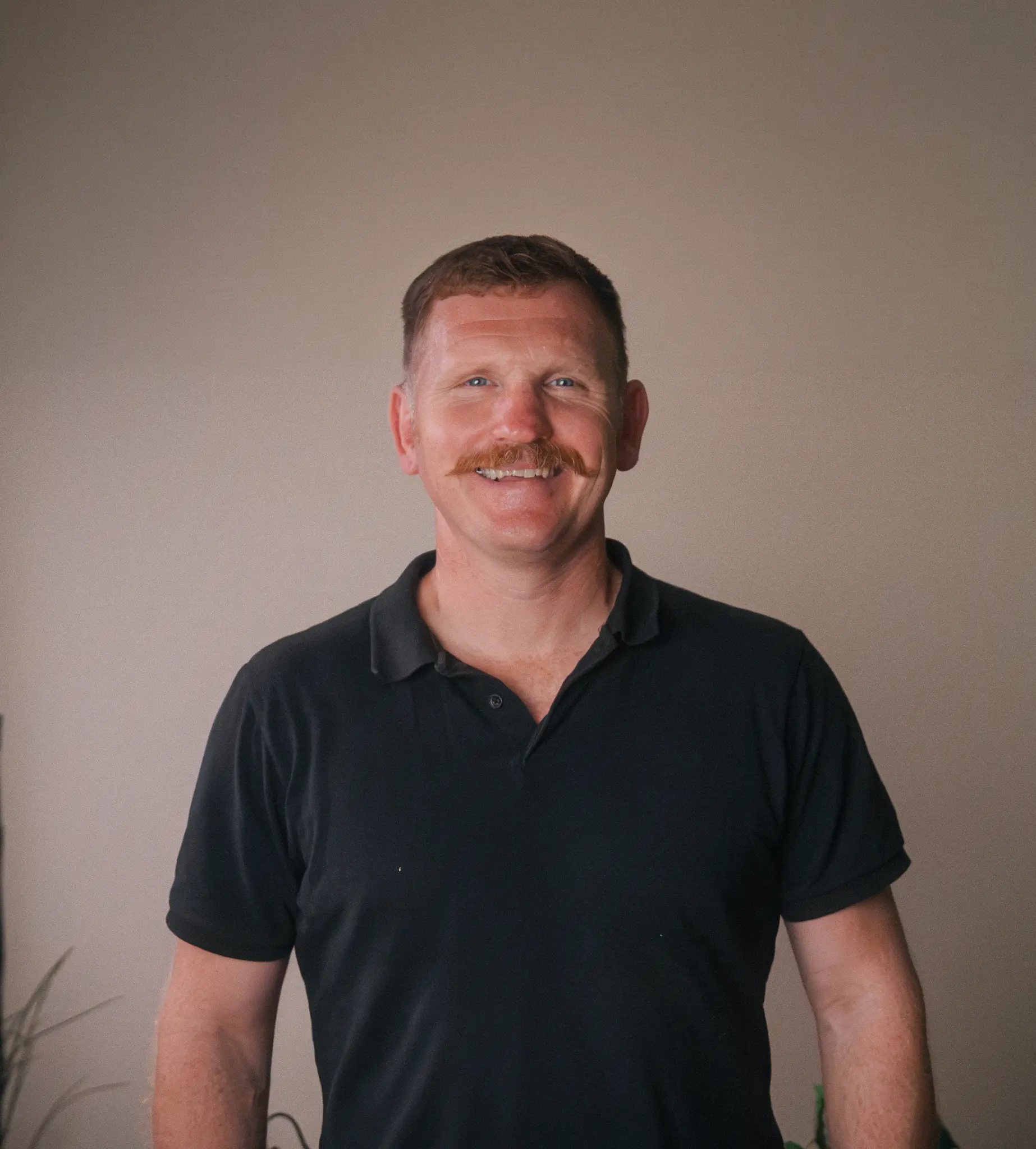
Founder of Crack On Leadership. 25 years in hospitality, from bar back to General Manager to co-owner of three Cardiff venues. Now helping hospitality businesses develop the managers their teams deserve.